


 Home
HomeUpland Chapter 7 Bankruptcy Attorneys
What is a Chapter 7 Bankruptcy?
A Chapter 7 Bankruptcy is often called a “Fresh Start Bankruptcy” because it allows people with most types of consumer debt, like credit cards, medical bills and certain judgments, to have those debts completely forgiven. Chapter 7 Bankruptcy is the most common chapter under the United States Bankruptcy Code used by Americans to get relief when their financial circumstances become unmanageable.
Do I Qualify for a Chapter 7 Bankruptcy?
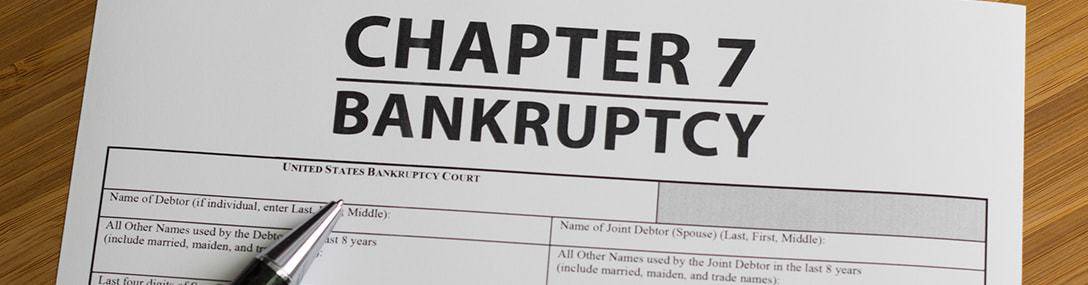
The Bankruptcy Reform Act and its subsequent amendments came into existence in 2005 and implemented several changes to make it more difficult to file for bankruptcy. The biggest change was what is commonly referred to as the “Means Test”. The Means Test uses a complicated formula based on standards of living for the particular area that you live in. Basically it takes into consideration your income, what the cost of living is in your area, the size of your family and the general nature of your debts to determine if you have the ability to pay back all or some of your debts. If your means test shows that you cannot pay your debts after the standard expenses are deducted then you are eligible to file for protection under a Chapter 7 Bankruptcy. However, if it shows that you should be able to pay all or some of your bills then it produces what is call the “Presumption of Abuse”. This isn’t necessarily as scary as it sounds, it usually means that you should file under a different chapter of the bankruptcy code or that you should challenge the presumption of abuse and demonstrate that you are truly unable to pay your debts. An experienced Upland bankruptcy lawyer will guide you through the process and they will do all of the hard work for you. All you need to do is show up with your bills and paycheck stubs. Call today to speak to a bankruptcy attorney 1-855-LOMG-911.
Most People Keep All of Their Assets
Under most circumstances all of your personal property is exempt under the bankruptcy law. This means that a Chapter 7 Bankruptcy protects most personal property from it being seized and sold by your creditors or the Chapter 7 Bankruptcy Trustee to pay off your debts. However, not all assets are exempt and they are subject to several limitations but generally if you qualify for a Chapter 7 Bankruptcy the vast majority of your assets will be protected. An experienced Upland Chapter 7 Bankruptcy attorney can show you what assets are exempt and how to prevent your assets from being seize by using the correct exemptions and the appropriate chapter of the bankruptcy code.
What debts are not discharged with a Chapter 7 Bankruptcy
Certain debts may not be discharged through chapter 7 bankruptcy. The most common debt not discharged is student loans. Student loans may be discharged if it may be shown that the debtor is suffering from “undue hardship.” Other debts not dischargeable under chapter 7 bankruptcy are child or spousal support payments and some tax payments.
How Much Will A Chapter 7 Bankruptcy Cost Me?
Our bankruptcy attorney’s offer a free initial consultation. During that consultation, our bankruptcy attorney will discuss your options and answer any questions you have relating to bankruptcy. Our bankruptcy prices are competitive. Let our experienced bankruptcy attorney help you file your bankruptcy case in Los Angeles, Riverside, or Santa Ana.
Call today to schedule a free consultation with an experienced Chapter 7 Bankruptcy attorney 1-855-LOMG-911.