Experienced Attorneys Upland - Accident Injury Divorce Family Law

1-855-LOMG-911Free Consultation
  • Workers Compensation
  • Personal Injury
    • Why You Need an Injury Attorney
    • Car Accident
    • Motorcycle Accident
    • Soft Tissue Injuries
    • Dog Bites
    • Death and Injury
  • Family Law
    • Before Filing for Divorce
    • Divorce Basics
    • Divorce Strategy
    • Child Custody
    • Child Support
    • Division of Property
    • Domestic Violence
  • Criminal Defense
    • Driving Crimes
      • DUI Laws
      • DUI Drugs
      • Unlicensed Drivers
      • Suspended License
      • Evading Arrest
      • Hit Run
      • Vehicular Manslaughter
    • Assault – Battery
    • Domestic Violence
    • Drug Crimes
    • Theft, Robbery, Burglary
    • Sex Crimes
    • Criminal Fraud
  • Bankruptcy
    • Bankruptcy Basics
    • Chapter 7
    • Chapter 13
    • Common Bankruptcy Questions
    • Do I Qualify For Bankruptcy
    • Will I Lose My Property?
  • About
    • Our Core Values
    • Other Practice Areas
      • Workers Compensation
      • Civil Litigation
      • Business Litigation
      • Bad Faith Insurance
      • Employment Law
      • Social Security
      • Special Education
      • Insurance Bad Faith
      • Wildfire Damage
      • Fire Insurance Claims
      • Discrimination and Sexual Harassment
    • Tell Us How We Did
    • Our Attorneys
      • Marc E. Grossman
    • Locations Served
      • Alta Loma
      • Chino
      • Chino Hills
      • Claremont
      • Corona
      • Diamond Bar
      • Fontana
      • Glendora
      • Mira Loma
      • Montclair
      • Ontario
      • Palm Desert
      • Pomona
      • Rancho Cucamonga
      • Riverside
      • San Bernardino
      • San Dimas
      • Upland
      • Van Nuys
    • Articles and Information
    • Testimonials
  • Contact
Home > Archives for Driving Crimes

Mar 19 2021

Driving With a Suspended License in California

California Vehicle Code 14601.1(a) VC is the stature that makes it legally wrong for an individual to purposely drive with a revoked or suspended California driver’s license. It is a misdemeanor offense that is punishable by up to 6 months in jail and a $1000 fine and court fees.

If you or someone you know has been arrested with charges of driving with a suspended driver’s license in California, then you should seek legal help to avoid conviction.

Here at the Law Offices of Marc Grossman, we have experienced Upland personal injury attorneys who can help you if you’re charged with driving with a license that has been suspended.

Driving with a Suspended License Defined

Vehicle Code 14601 indicates numerous traffic violations for which your license could be suspended for a certain period. Traffic law violations such as driving under the influence (DUI), refusal to submit to a breathalyzer test, reckless driving, and physical or mental disabilities could lead to a suspension of license.

A violation of driving with a suspended license is a misdemeanor. This offense can be punished by custody in a county jail or substantial fines. For first-time offenders, this could bring a fine of $300 to $1000 and a jail time of 5 days up to 6 months. For second-time offenders, penalties can include a fine of $500 to $2000 and a jail time of 10 days up to a year. If your license was suspended because you were driving under the influence (DUI), a jail sentence with a minimum of 30 days and a compulsory installation of an ignition interlock device (IID) is included in either of the sentences above.

How Is Someone Convicted of This Offense?
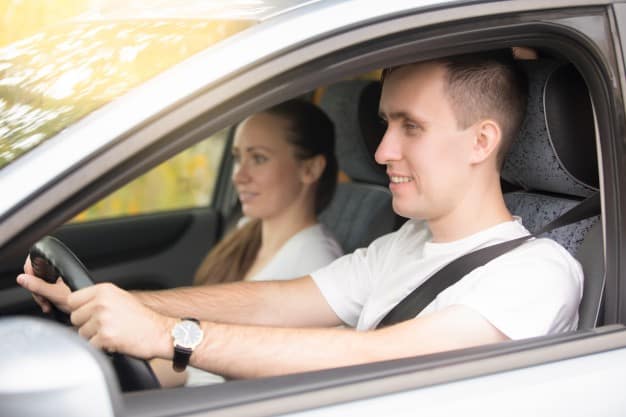
Suspended License in California For a prosecutor to convict someone, they must prove that an offender is guilty of the following:

  • The defendant drove a vehicle while their California driver’s license was revoked or suspended;
  • The defendant knew that their driving privileges were revoked or suspended when they drove the vehicle

Note that for a defendant to be guilty under this statute in California, they must know that their state license was suspended. This can only be presumed if the following are proven to be true:

  • The Department of Motor Vehicles (DMV) sent a notice for an Order of Suspension/Revocation to the defendant informing them that their driving privilege has been temporarily revoked or suspended
  • The suspension notice was sent to the offender’s most recent address
  • The notice wasn’t returned as unclaimed or undelivered to the DMV

Other Related Offenses

Other traffic offenses are similar to or are often charged together with driving using a suspended license in California:

  • Driving without your driver’s license: is only an infraction and carries only the possibility of a fine but no jail time. It only requires you to prove that you had a valid driver’s license at the time that you were driving the vehicle
  • Driving under the influence: those who fail the blood alcohol (BAC) test done by a law enforcement officer will mostly get their license suspended. They’ll be issued a temporary license valid for 30 days and must immediately request a hearing in DMV within 10 days. If proven guilty, a first-time DUI offense is punishable by a fine of $1000, an ignition interlock device (IID) will be installed in the vehicle and a completion of a DUI class that is state-approved is required.
  • Reckless driving: different from negligent driving, reckless driving is driving a vehicle without any reasonable caution and regard for the safety of others. It is punishable by a maximum of 3 months in hail, 1-month suspension of your driver’s license, and a vehicle impounding. For a second offense, it is punishable by 6 months in jail and the suspension of your license for one year.

How an Upland Personal Injury Attorney Can Help

If you or your loved one is charged with Vehicle Code 14601 driving on a suspended license, and you want to hire an experienced defense attorney for representation, contact us at the Law Offices of Marc Grossman.

We are experienced in dealing with license suspension, license revocation, and other criminal offenses related to driving. We can also help you process your license reinstatement after suspension. Contact us today for a free consultation.

Written by M. Grossman · Categorized: Driving Crimes

Feb 28 2021

10 Questions on Driving with a Suspended License

Despite being a crucial aspect of daily life, not a lot are familiar with the California vehicle code. Some believe that a drunk, intoxicated, negligent, or reckless motorist will right away have his or her license suspended revoked. Some think that such a license will be canceled forever as punishment. To help clear things about these matters, below are ten common questions on driving on a suspended license:

1) For what reason will my driver’s license be suspended in California? 

There are numerous reasons why your license could be suspended. If you have been charged with driving under the influence of DUI, or have been involved in a hit and run accident, you could be facing a suspension.

2) How about a traffic offense that led to a ticket?

Keep in mind that your actions as a motorist shall be according to traffic laws. Depending on the actual circumstance, if you fail or actively refuse to pay fines and penalties for a traffic ticket, these unsettled tickets could also lead to a suspension.

3) What about habitual offenses?

It is unlikely that you will face license suspensions and be charged with a misdemeanor for a speeding ticket that you eventually settled. However, being a habitual offender or disregarding traffic tickets from previous traffic violations is a different story.

4) Aside from not being able to comply with the vehicle code, are there other reasons?

Driving with a Suspended LicenseUnder the relevant statute, not being able to appear in court, missing a hearing, or failing to fulfill probation terms can also lead to the suspension of a license and the driving privileges that come with it. Refusing to pay child support can also lead to a suspended driver’s license of the offender.

5) Will the above lead to misdemeanors?

Driving while suspended is generally considered a misdemeanor criminal offense. When facing a license suspension, do not attempt to interpret a court order and deal with criminal charges by yourself. It is recommended that you consult with a reliable criminal defense lawyer as soon as you can.

6) How will the above proceeding go? 

If you were caught driving on a suspended license, the district attorney shall file a criminal complaint against you. Attend court hearings with your defense lawyer and if the prosecutor summons you, make sure to appear in the concerned criminal court.

7) What if I fail to do so?

Depending on the offenses cited and the actual traffic citation, you could be arrested and punished for both driving while your license is suspended and for failure to appear in court. As would be explained by your criminal defense lawyer, showing up is a crucial step if you want to avoid jail time.

8) Is it possible to reduce or avoid the consequences of the charges?

Through the help of a defense attorney who specializes in traffic violation and misdemeanor cases, such is possible. Depending on the actual circumstance, your defense strategy, and how your criminal defense attorney will handle the proceedings, you could avoid conviction and even have your case dismissed.

9) Is reinstating a suspended license possible?

Reinstatement is not easy but is not impossible. License reinstatement would not be as difficult if you follow the legal process carefully. In general, the first step to have your license reinstated is to contact the Department of Motor Vehicles (DMV) on how to have holds removed from your record.

10) What else do I need to prepare for my license restoration or reinstatement?

Submit to the California DMV all of the required paperwork and pay applicable reinstatement fees. The DMV office will then reinstate your driver’s license within standard processing times. Issuance of the new license card often takes several weeks, but a temporary document would be provided.

In case your driver’s license has been suspended and you still drove your vehicle, contact a lawyer who specializes in criminal and driving law. With legal help from the right people, you can avoid being charged with a grave offense by paying the fines and penalties. Not a lot are aware that the court allows an individual to make use of a payment plan.

One basic advice given by some is to not do anything unlawful or improper if you do not want law enforcement to suspend (or revoke) your license to drive or to operate a motor vehicle. This is, of course, easier said than done. Driver’s licenses may be suspended for driving laws that were violated for several reasons. In most instances, dealing with license suspension and driving while your license is suspended is not as simple as it may seem.

If you find yourself in such a circumstance, seek legal assistance to avoid further damaging your driving record and criminal record. Talk to us at the Law Offices of Marc Grossman for a free consultation. Call 855-5664-911 today.

Written by M. Grossman · Categorized: Driving Crimes

Feb 26 2021

Things You Should Know About the California Hit and Run Law

A ‘hit and run’ occurs when a driver crashes into another vehicle, pedestrian, or any object along the road and immediately flees. The key here is that the individual left the scene of the accident without assisting the accident victims or leaving any contact information. Speeding and negligent or reckless driving may cause collisions or hit and run accidents. It may also happen if you unintentionally crashed into another car in a parking space or while attempting to park on the side of the street. The state law forbids a motorist from leaving the scene wherein another driver’s property has been damaged without disclosing their contact details.

A hit and run accident under Vehicle Code § 20002 is classified as a misdemeanor offense. If the criminal conviction is recorded under misdemeanors, offenders would have to face costly fines, penalties, or even imprisonment in county jail.

However, a misdemeanor criminal conviction may be aggravated depending on the severity of the car accident. Car accident cases that result in fatalities are classified as felony criminal offenses. If you have been involved in a vehicle crash, contact the police department and call your accident attorney right away.

California Hit and RunYou may be considered guilty of a hit and run accident if you left the scene of the accident and failed to disclose yourself to the other party. You may also be proven at fault if you have caused property damage or serious injuries to the accident victims. If you intentionally did not stop after the accident and did not exchange necessary information such as your name, license plate number, and address, you may be prosecuted for hit and run offense.

Criminal charges of misdemeanor hit and runs include a potential sentence of up to 6 months in county jail, a significant amount of fine, or both. Punishments may also include three years of probation, compensation for property damage, and two points on your driving record.

When it comes to vehicular accidents, the other party needs to provide sufficient evidence for you to be proven guilty. There are potential defense strategies that may be used in a misdemeanor criminal case of hit and run. It is possible that the defendant is not aware that a traffic collision happened. Also, your accident lawyer may argue that no damage occurred or the property damage only happened to your vehicle.

There are other related criminal violations under the vehicle code. This includes:

  • Driving without a valid driver’s license. This criminal offense applies not only to those who do not have a license in California but also to those who failed to renew their driver’s license. It is not uncommon for an elderly who did not remember to renew his license to unintentionally continue driving his car. For this violation, it must be proven that you are the one who operated the vehicle without a valid license. 
  • Driving under the influence. DUI is referred to as driving while under the influence of alcohol or any drug substance. This can affect a driver’s ability to drive safely. Depending on whether it was a first or repeated offense, you may be charged with a misdemeanor or felony DUI. Prosecutors, however, must first obtain strong evidence to prove that you were drunk driving.
  • Aggravated hit and run. A misdemeanor may be aggravated if accident injuries were sustained by those involved or someone was killed by the vehicular accident. The charges against you may be raised to a felony if you fled the scene of the accident without helping the car accident victims. It must be proven that the accused who was operating the vehicle (that led to accident injuries or caused a fatal crash) failed to stop to give assistance and contact details.
  • Driving under the influence with an injury. Drinking and driving is never a good idea. A DUI that caused serious bodily injury to those involved in an accident is generally considered a felony offense (regardless if it was a first or repeated offense). Sufficient evidence is needed to prove that the accused offender was really under the influence when he drove the vehicle. The prosecutor must show that there was unlawful behavior or failure to perform lawful responsibility causing bodily harm to another party.
  • Speeding. Speeding beyond the legal limit is dangerous and can cause a collision that involves great bodily harm on the part of the victims. Take for example a motorist who deliberately engages in a speed exhibition. An exhibition of speed is, by definition, driving at an extremely dangerous rate to show off. Participating in a highway race can cause serious injuries to other drivers or pedestrians and may also cause property damage.

A hit and run accident is a punishable criminal violation. Regardless if you are charged with a misdemeanor offense or a possible felony, it is highly recommended that you hire a credible and experienced criminal defense lawyer. Call a trusted local attorney immediately if you are involved in a car accident.

Seek legal help and assistance to protect your legal rights. Talk to our experienced criminal defense attorneys at the Law Offices of Marc Grossman. Call us at 855-5664-911 for a free consultation.

Written by M. Grossman · Categorized: Driving Crimes

Feb 10 2021

Driving Without a License California

Any exercise of driving privileges must be pursuant to traffic laws. A motorist who fails to comply with such could face suspensions, revocation, probation, or even jail sentence, depending on the circumstance.

Irresponsibly operating a motor vehicle could result in certain traffic violations and incidents. These include speeding, texting behind the wheel, reckless driving, driving under the influence, driving on a suspended license, or hit and run. These could eventually lead to license suspension or revocation.

Driving while suspended, with a revoked license, or no driver’s license at all are all punishable under traffic law. Depending on the property damage and severity of injuries and if fatalities are involved, the case may be aggravated and may lead to a felony conviction.

Driving without a license is identified as a wobbler offense that could be prosecuted as either an infraction or a misdemeanor. If the conviction will be classified as an infraction, costly fines shall be the maximum punishment. Meanwhile, if you have been charged with a misdemeanor criminal offense, the maximum punishment will be a significant amount of fines and six months imprisonment.

Driving Without a LicenseNote that driving without a license is not the same as driving while your driver’s license has been suspended or revoked by the Department of Motor Vehicles. Those who do the latter are charged with and must face a more serious crime. The DMV shall not ‘only’ suspend or revoke a driver’s license since the offender has broken more than one statute under driving law. To an extent, driving without a license is a less complicated traffic violation.

When charged with driving without a license, it is best to hire a criminal defense lawyer who can help you dismiss the charges against you. Under state law, some individuals are required and some do not need a California license to operate a vehicle.

State residents driving on public highways or in publicly accessible parking lots must have a legal driver’s license from California.

In contrast, individuals who are not required to have a valid license from California include:

  • government officials driving vehicles owned by and operated during the federal business for the United States
  • operators of a husbandry vehicle running on a site other than on a public road
  • drivers of an off-highway vehicle going across public roads
  • tourists at least 18 years of age who has a valid license from their origin country
  • non-residents aged 21 above, if hazardous material is transported and holding a legitimate license from another state to do so
  • non-residents with a valid diplomatic driver’s license

As in above, violators of the vehicle code may be prosecuted and violations may lead to non-criminal infractions or misdemeanors. The penalties for driving without a license traffic offense could include up to six years of jail time, costly fines, and a 30-day impoundment of the vehicle (if the offender has similar offenses in his or her criminal record before the conviction).

The primary aspect that the prosecution would consider in a case of driving without a license is the criminal history of the violator.  A background check is key. Generally, a first-time violation would be charged as an infraction. Subsequent violations are more likely to be prosecuted as a misdemeanor. However, an experienced criminal defense attorney may be able to convince the prosecutor to lower the charge to a traffic infraction.

With expert legal help and assistance, the following are defenses that may be used against the above charges:

  • The defendant is a tourist and does not have a license issued by California but holds a valid license from his state or country of residence
  • The defendant is legally exempted from having a driver’s license from California
  • The defendant was not driving the vehicle, otherwise known as the “no driving” defense
  • The defendant had a legal license but it was not in his or her possession the time he or she got pulled over.

Proving that you have a valid license at the alleged time of the violation is often the best legal defense. If applicable, when your license is not from California, your defense lawyer could help you in obtaining DMV records and in proving that you are eligible to vote and pay property taxes in the other jurisdiction.

Furthermore, many prosecutors would allow the defendant to postpone prosecution and seek a state license. This is unless the defendant’s driving record will show that he or she is a repeat offender.

If you suspect that you might have a warrant of an arrest related to the above or other criminal offenses, contact a trusted defense lawyer immediately. Any traffic ticket must be taken seriously. Protect your legal rights. Talk to our experienced criminal defense attorney at the Law Offices of Marc Grossman.  Call 855-5664-911 for a free consultation.

Written by M. Grossman · Categorized: Driving Crimes

Jan 14 2021

Frequently Asked Questions About California Hit and Runs

While being involved in traffic collisions is, in itself, not a violent crime, the case is different if it is a hit and run accident. When a driver flees the scene after an accident, he or she may be charged with hit and run. For many reasons, this can be problematic.

There are a lot of reasons why accidents may occur. These include negligence of the speed limit, texting while driving (distracted driving), reckless driving, and driving under the influence, among others. Car accident victims often have to deal with a serious injury, pain and suffering, and property damage. As such, most accident victims sue and file criminal charges against an offender. Most also opt to pursue accident claims so they can get compensated for economic damages and medical expenses required by serious injuries. However, if the perpetrator was caught leaving the scene, he or she could face fines, penalties, or even imprisonment.
If you have been involved in an accident, call the police department and your accident attorney right away. Furthermore, look into the frequently asked questions below to know more about hit and runs:

  1. If I am not at fault for the auto accident, will it still be considered as a hit and run?

California Hit and RunsIt would still be considered as a hit and run because the accountability of a motorist is not a factor. You are still required to stay at the scene of a motor vehicle accident. If there are witnesses who can corroborate your claim on the car accident case, make sure you also exchange contact information with them as well.

  1. If the vehicle is barely damaged, will it still be classified under hit and run accidents?

Yes, it will still be considered as a hit and run even if there was no fatality and the traffic collision only caused minor damage. Such a traffic accident could be seen as a misdemeanor offense. Even the slightest damage is taken into account.

  1. Can a hit and run accident be considered a felony?

It could be. A collision with another vehicle in a parking lot, for example, is often classified as a misdemeanor if there was no bodily injury involved. However, in some instances, aggravating circumstances may make a misdemeanor into a felony, depending on the severity of the accident injuries of the victims.

  1. Can a hit and run conviction suspend a driver’s license?

Being charged with this criminal offense can potentially suspend or revoke your driver’s license (depending on the prosecution and relevant state law).

Car accidents with no personal injury or fatalities involved are considered a misdemeanor and may not lead to license revocation. Convictions, however, add two DMV points to your driving record. On the other hand, a traumatic and fatal crash will likely be raised to a felony charge and will result in license revocation for a misdemeanor and a felony charge.

  1. Will my insurance company cover damages after a hit and run traffic collision?

Insurance companies will still include damages in your insurance coverage. However, they may invoke certain clauses in your insurance policy that prior involvement with DUI or driving while intoxicated may affect your insurance claim.

  1. If I am being investigated by the state police, do I have to communicate with them?

You are not obliged to answer questions from the police for the accident report. You should call your accident lawyer in case you are being investigated by the police.

Contact your car accident attorney immediately if you are involved in a car accident. While fleeing the scene seems simpler, it is not. Never leave the scene of the accident. Park in a safe area and provide details such as your name, contact information, and license plate number with the other party.

Protect your legal rights. Seek legal help from an experienced defense attorney if you find yourself on the receiving end of a possible car accident lawsuit. Contact our team at the Law Offices of Marc Grossman for a free consultation and case evaluation.

Written by M. Grossman · Categorized: Driving Crimes

  • 1
  • 2
  • 3
  • Next Page »

Request a Call or Free Consultation

We will take the time to answer all of your legal questions. Free. No Obligation. No Pressure. Just Answers.

    Office Address: 100 N Euclid Ave #201,
    Upland, CA 91786

    Phone: Main Office Phone #: (909) 608-7426
    Workers Comp Phone #: (855) 566-4911
    New Client Hotline: 855-LOMG-911

    Email: [email protected]

    Marc Grossman on Social Media

    Locations We Serve:

    Alta Loma, Claremont, Chino, Chino Hills, Corona, Diamond Bar, Fontana, Glendora, La Verne, Mira Loma, Montclair, Ontario, Palm Desert, Pomona, Rancho Cucamonga, Riverside, San Bernardino, San Dimas, Upland, Van Nuys

    Copyright © 2026 Law Offices of Marc Grossman, LLP  lDisclaimerlPrivacy policylAdvantage Attorney Marketing & Cloud Solutions