Experienced Attorneys Upland - Accident Injury Divorce Family Law

1-855-LOMG-911Free Consultation
  • Workers Compensation
  • Personal Injury
    • Why You Need an Injury Attorney
    • Car Accident
    • Motorcycle Accident
    • Soft Tissue Injuries
    • Dog Bites
    • Death and Injury
  • Family Law
    • Before Filing for Divorce
    • Divorce Basics
    • Divorce Strategy
    • Child Custody
    • Child Support
    • Division of Property
    • Domestic Violence
  • Criminal Defense
    • Driving Crimes
      • DUI Laws
      • DUI Drugs
      • Unlicensed Drivers
      • Suspended License
      • Evading Arrest
      • Hit Run
      • Vehicular Manslaughter
    • Assault – Battery
    • Domestic Violence
    • Drug Crimes
    • Theft, Robbery, Burglary
    • Sex Crimes
    • Criminal Fraud
  • Bankruptcy
    • Bankruptcy Basics
    • Chapter 7
    • Chapter 13
    • Common Bankruptcy Questions
    • Do I Qualify For Bankruptcy
    • Will I Lose My Property?
  • About
    • Our Core Values
    • Other Practice Areas
      • Workers Compensation
      • Civil Litigation
      • Business Litigation
      • Bad Faith Insurance
      • Employment Law
      • Social Security
      • Special Education
      • Insurance Bad Faith
      • Wildfire Damage
      • Fire Insurance Claims
      • Discrimination and Sexual Harassment
    • Tell Us How We Did
    • Our Attorneys
      • Marc E. Grossman
    • Locations Served
      • Alta Loma
      • Chino
      • Chino Hills
      • Claremont
      • Corona
      • Diamond Bar
      • Fontana
      • Glendora
      • Mira Loma
      • Montclair
      • Ontario
      • Palm Desert
      • Pomona
      • Rancho Cucamonga
      • Riverside
      • San Bernardino
      • San Dimas
      • Upland
      • Van Nuys
    • Articles and Information
    • Testimonials
  • Contact
Home > Archives for DUI

Oct 30 2020

DUI Statute of Limitations in California

The statute of limitations imposes a time limit on filing criminal charges. If a charge is filed once the statute has passed, the defendant can get the charge dismissed. Since driving under the influence (DUI) can be filed as misdemeanor or felony charges, a statute of limitation is imposed on it. Read on to learn about the DUI statute of limitations in California.

Purpose of Statutes of Limitation

Imposing a legal limit on filing a criminal charge protects the legal rights of defendants in civil and criminal cases. The criminal court recognizes that a defendant is disadvantaged after a certain amount of time has passed. A limitation period expects the prosecutor and plaintiff to pursue a criminal case with a certain level of diligence.

Statute of Limitations for DUI Charges

The statute limitation on California DUI or DWI cases vary depending on whether it was charged as either misdemeanors or felonies. A misdemeanor DUI charge in California has a statute of limitations of one year from the date of the incident, while a felony DUI offense has a three-year limitation. Several exceptions make litigation complicated, so it’s best to consult with a criminal defense lawyer if you have any concerns regarding the statute of limitations.

How DUI Statutes of Limitations are Determined
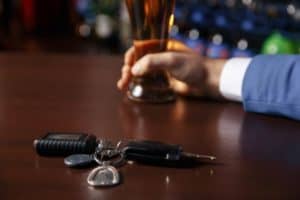
DUI statute of limitationsThe California Penal Code states that prosecution for offenses not punishable by death or imprisonment in state prison should be commenced within a year after the offense was committed. To determine statutes of limitations, commenced means that one of the following events has taken place:

  • A complaint is filed charging a misdemeanor;
  • An indictment is filed in felony cases;
  • The accused is arraigned on a complaint charging them with a felony; and
  • A warrant is properly issued.

As such, the statute of limitations for a misdemeanor charge for driving while intoxicated is one year after the date of the incident. This applies to a first offense DUI, as well as to repeat offense up to the third DUI offenses.

Note that enhanced penalties are disregarded in determining maximum punishment. Talk to DUI attorneys if you need help determining the statute of limitations for a particular case.

However, a drunk driver that violated the California Vehicle Code by causing injury will face a longer period of limitation since this offense is a wobbler case. Since the maximum punishment for an individual charged with DUI that caused an injury is imprisonment, its statute of limitations is three years.

Note that the statute of limitations isn’t applicable on drunk driving cases already in warrant status. If you’re considering getting a dismissal using the statute of limitations defense, speak with DUI defense lawyers to discuss your case.

Filing DUI as a Felony or Misdemeanor

In California DUI laws, bringing criminal charges is exclusively at the discretion of the grand jury, district attorney, and prosecuting attorneys. After the prosecution is commenced by submitting the necessary paperwork to the district attorney’s office, the filing deputy evaluates the information and decides to either:

  • file the case as a felony;
  • file the case as a misdemeanor; or
  • reject the case or return it for further investigation.

Hire Criminal Defense Attorneys

If you were arrested for DUI and are facing felony or misdemeanor charges, it’s important to have legal representation who can help prepare the best defense for you. Contact the Law Offices of Marc Grossman to get in touch with a DUI defense attorneywho’s knowledgeable in driving laws and can fight for you. Call us today and schedule a free consultation!
Written by M. Grossman · Categorized: DUI

Sep 04 2020

DUI Court Proceedings in California

DUI is a criminal offense in which violators are charged for driving while intoxicated or driving under the influence of alcohol and any drug-related and controlled substances, violating DUI laws, impaired driving, or reckless driving in the legal sense. Drunk driving will lead to road accidents and even personal injuries that may also involve innocent lives. Unlawful acts and DUI charges will result in the suspension or revocation of one’s license.

Officers present in DUI checkpoints will conduct tests such as field sobriety test, breathalyzer test, and preliminary alcohol screening test that measures blood alcohol level. These will confirm the visible signs of intoxication from suspected drunk drivers. Violators will either be taken to the police station or to the hospital to measure the blood alcohol concentration in the blood through a breath test. Blood-test and urine samples are also taken from the offender to confirm any illegal drug use and drug possession.

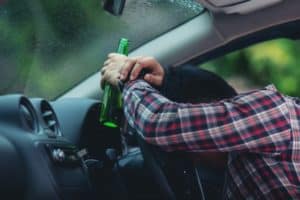
DUI in CaliforniaThe complete report of the DUI arrest will be submitted to the prosecution agency. The prosecutor will review the case report and will decide whether to accept or drop the charges against the violator. The defendant will need a criminal defense attorney for legal representation against the criminal charges. An experienced DUI defense lawyer will help you come up with DUI defense strategies. DUI court processes in California are technically complex, and discussion of potential defense strategies is essential between the client and the DUI defense attorney.

The first appearance of the defendant will be during the DUI arraignment. Copies of the criminal complaint, laboratory results, and incident reports, including criminal history, will be given. Following the process of the court system, these will proceed to court hearings. The defendant would be given a chance to plead guilty, not guilty, or no contest. The prosecutor would recommend the first offer to accept the proposed changes. If the defendant pleads guilty, he or she will automatically be sentenced, and his or her DUI case will be closed. 

In some cases, if the defendant pleads not guilty, the defendant has the right to testify and call on witnesses for their DUI defense. The DUI lawyer would have to review all evidence, including police reports, laboratory results, and devices. The DUI attorney will gather sufficient evidence and an appropriate DUI defense, such as inaccurate results of a laboratory test or falsified evidence or investigation against the defendant. 

Negotiations and plea-bargain strategies happen during the pre-trial of the DUI process in California. DUI defense lawyers would also recommend having a jury trial wherein the defendant must convince the jurors that he or she is not guilty. Persuading the jury will be favorable for the defendant leading to a possible dismissal of criminal charges. However, there are advantages and disadvantages to having a jury trial. A jury trial is a legal process in which jurors make decisions and judgments based on facts and evidence. It is the DUI defense lawyer’s responsibility to convince the jury beyond a reasonable doubt, or else it would result in an unfavorable verdict. In the end, if the jurors decide that the defendant is not guilty, the DUI charges against the defendant will be dismissed. Otherwise, if a guilty verdict is handed down, the defendant will face appropriate punishment and receive a sentence following the California DUI penalties. 

If you are facing DUI charges in California, get help from an experienced and comprehensive DUI attorney to fight for you. Consider getting the services of the Law Offices of Marc Grossman for your DUI defense. Call us now for a free initial consultation.

Written by M. Grossman · Categorized: DUI

Aug 29 2015

Hit By a Car Crossing the Street Who is at Fault

Who Is at Fault When a Pedestrian is Hit by a Car Crossing the Street?

When a pedestrian is hit by a car crossing the street it is not always the driver who is at fault. Laws of negligence will usually determine who is at when a pedestrian is hit by a car crossing the street. Negligence usually rests on the question of reasonableness. This is to say, was the person crossing the street acting as a reasonable person would when he was hit by a car crossing the street. For example, it could be said that a reasonable person would not in the exercise of normal prudence, cross a four lane, busy road in the middle of the street at night but, instead, a reasonable person would have used the lighted crosswalk at the corner. Conversely, a driver of a motor vehicle has a duty to use reasonable care when operating his vehicle and to operate it in a manner so as not to endanger pedestrians. For example, a reasonable driver would not send text messages on a busy four lane road while his vehicle was in motion. Instead, a reasonable driver would not use a cell phone while driving. In many cases, both the driver and pedestrian can be partially at fault. So, you must analyze both parties behavior immediately before the accident occurred to determine fault when a pedestrian is struck crossing the street. It is not usually cut and dried. You will likely need the assistance of an experienced personal injury attorney to help you determine fault if you are hit by a car crossing the street.
An experienced personal injury attorney will look at the same things that a judge will look at to determine who is at fault when a pedestrian is hit by a car crossing the street. The following are some of the things that may be examined to determine fault in a pedestrian vs. motor vehicle accident.

Police Reports and Insurance Company Findings

The police will take statements from the driver, pedestrian, and witnesses to determine who was at fault. They may make a conclusive finding on the spot or conduct a detailed investigation to make the finding later.
The police report will show which party the investigating officer determined to be at fault.  However, the police findings are not conclusive and they are subject to being challenged by both the insurance companies and your attorney. Insurance adjusters conduct their own investigations and they may determine something far different than that of the police. This can place you in a odd position where your insurance company may conclude you are at fault and the police may determine that you were not or vise versa. Only an experienced personal injury lawyer can sort out these kinds of messes and insure that you both get compensated for damages and protect your rights against any charges or citations that the police may issue.

Insurance Coverage for Pedestrian Accidents

Injured pedestrians will typically be covered by their health and disability insurance policies, or worker’s compensation coverage, if the accident occurs on the job. They may also be covered under one or more auto insurance policies.

Payment Under Auto Liability Insurance

An injured pedestrian should typically file a claim against the driver’s or vehicle owner’s insurance policy. California requires all vehicle owners to carry liability insurance to cover personal injuries to third parties and damage to third parties’ property. However, if and how much you can recover depends on who’s at fault and the policy limits of the insured. It may be necessary for your personal injury attorney to file a lawsuit against the other party so that a judge can assist you to determine fault. If litigation becomes necessary, payment for your injuries will be delayed until after the litigation has been resolved.

Why You Need a Personal Injury Lawyer.

Insurance companies have teams of lawyers all dedicated to making sure you get the smallest possible award. If this isn’t enough to make you call a personal injury attorney consider this: if you do not agree to the settlement amount offered by the insurance company, you will need to file a lawsuit to get what you deserve. While the litigation is pending, you will still likely need medical treatment and transportation, your personal injury attorney can help to arrange this for you. Also consider that you will not only be taking on an insurance company but also the guy who hit you. Very few people have the knowledge and ability to successfully navigate a personal injury lawsuit without the assistance of a lawyer.

Written by M. Grossman · Categorized: Car Accidents, Criminal Defense, DUI, Front Page Content, Motorcycle Accidents, Personal Injury, Uncategorized, Wrongful Death

Request a Call or Free Consultation

We will take the time to answer all of your legal questions. Free. No Obligation. No Pressure. Just Answers.

    Office Address: 100 N Euclid Ave #201,
    Upland, CA 91786

    Phone: Main Office Phone #: (909) 608-7426
    Workers Comp Phone #: (855) 566-4911
    New Client Hotline: 855-LOMG-911

    Email: [email protected]

    Marc Grossman on Social Media

    Locations We Serve:

    Alta Loma, Claremont, Chino, Chino Hills, Corona, Diamond Bar, Fontana, Glendora, La Verne, Mira Loma, Montclair, Ontario, Palm Desert, Pomona, Rancho Cucamonga, Riverside, San Bernardino, San Dimas, Upland, Van Nuys

    Copyright © 2026 Law Offices of Marc Grossman, LLP  lDisclaimerlPrivacy policylAdvantage Attorney Marketing & Cloud Solutions